.png?width=1958&height=560&name=TerraBella%20Indian%20Trail-Horizontal%20(1).png)
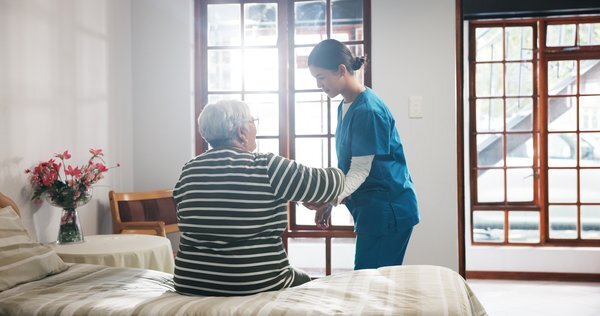
Many adult children eventually ask themselves the same difficult question: Is it safe for a parent to live alone? Often, the answer isn't obvious. Small changes in daily routines, mobility, or memory can happen gradually, making it difficult to know when extra support may be beneficial. Taking a thoughtful, objective approach can help you better understand your parent's needs while respecting their independence and preferences.
This guide outlines practical ways to evaluate your parent's daily life, recognize potential safety concerns, and determine when it may be time to explore additional support.
Evaluating Independent Living Ability Through Everyday Routines
One of the best ways to begin evaluating independent living ability is by observing how your parent manages everyday tasks. These routines often provide valuable insight into whether they can continue living safely at home.
Pay attention to whether your parent can:
- Prepare balanced meals and keep fresh food on hand
- Maintain personal hygiene and change clothes regularly
- Manage medications correctly and refill prescriptions on time
- Stay organized with bills, appointments, and household responsibilities
Occasional mistakes are normal. However, if several of these areas become consistently difficult, it may be time to take a closer look at your parent's overall well-being.
Look for Senior Living Alone Safety Concerns at Home
Walking through your parent's home with fresh eyes can reveal senior living alone safety concerns that may have gone unnoticed. A familiar environment can become more hazardous as mobility or balance changes over time.
Watch for common risks such as:
- Clutter or loose rugs that create trip hazards
- Poor lighting in hallways, bathrooms, or stairways
- Missing grab bars in key areas
- Difficulty climbing stairs or getting in and out of chairs
- Evidence of recent falls or unexplained bruises
Simple home modifications may reduce some risks, but ongoing mobility challenges often signal the need for additional daily support.
Assessing Parent Safety at Home Beyond Physical Health
Assessing parent safety at home also means considering emotional health, memory, and social engagement.
Has your parent stopped participating in hobbies or spending time with friends? Have they become increasingly isolated? Loneliness can affect both physical and emotional well-being, especially for older adults living alone.
During conversations, notice whether they:
- Repeat the same questions frequently
- Forget recent appointments or conversations
- Become confused about dates or familiar routines
- Show changes in judgment or decision-making
These changes do not automatically mean your parent can no longer live independently, but they do warrant ongoing observation and conversations with healthcare professionals.
Emergency Preparedness Matters
Emergencies happen without warning, making preparedness an important part of determining whether it is safe for a parent to live alone.
Ask yourself:
- Would your parent know what to do after a fall?
- Can they respond appropriately if a smoke alarm sounds?
- Do they consistently lock doors and secure the home?
- Is a charged phone always nearby?
A delayed response during an emergency can quickly turn a manageable situation into a more serious one. Families often find that planning for these scenarios provides valuable insight into whether additional support would improve safety and peace of mind.
Transportation and Community Connection
Driving changes are another important consideration when determining when seniors can no longer live independently. If your parent has stopped driving or no longer feels comfortable behind the wheel, everyday errands and medical appointments may become difficult.
Reliable transportation affects much more than grocery shopping. It also helps older adults stay connected to friends, family, and their community.
At TerraBella Indian Trail near Monroe, residents enjoy scheduled transportation, chef-prepared dining, and engaging daily programs that make it easier to stay connected without the stress of driving. Opportunities for social interaction and maintenance-free living can help reduce the isolation that many older adults experience while living alone.
Signs a Parent Needs Assisted Living
Recognizing the signs a parent needs assisted living is rarely about one major event. More often, it's a pattern of smaller changes that become increasingly difficult to ignore.
Some common signs include:
- Frequent falls or mobility concerns
- Missed medications
- Difficulty preparing meals
- Poor housekeeping or personal hygiene
- Increasing isolation or loneliness
- Memory changes that affect daily life
- Family members providing more support each week
If several of these signs are present, exploring senior living options doesn't mean giving up independence. Instead, it can provide the right balance of personalized assistance, meaningful social connections, and greater peace of mind.
Communities like TerraBella Indian Trail offer personalized assisted Living as well as GLOW℠ Memory Care for residents living with Alzheimer's disease or other forms of dementia. Families can learn more about the community's personalized support by exploring the Assisted Living and GLOW℠ Memory Care pages before scheduling a visit.
Taking the Next Step
Deciding whether a parent should continue living alone is never easy, but you don't have to make the decision overnight. Honest conversations, careful observation, and professional guidance can help your family determine the best path forward.
If you're beginning to question whether your loved one could benefit from additional support, schedule a tour of TerraBella Indian Trail. You'll have the opportunity to explore the community, learn about personalized living options, and discover how a welcoming environment can help your loved one enjoy greater comfort, connection, and peace of mind.