.png?width=1958&height=560&name=TerraBella%20Indian%20Trail-Horizontal%20(1).png)

When a family member needs memory care, many families face an immediate concern: paying for memory care without selling the house. The good news is that selling the home is not always necessary. Several financial strategies can help cover memory care costs while allowing your loved one to keep their property.
Memory care communities provide specialized support for individuals living with Alzheimer's disease or other forms of dementia. From using home equity to reviewing insurance benefits, several memory care financing options can help families balance quality care with long-term financial goals.
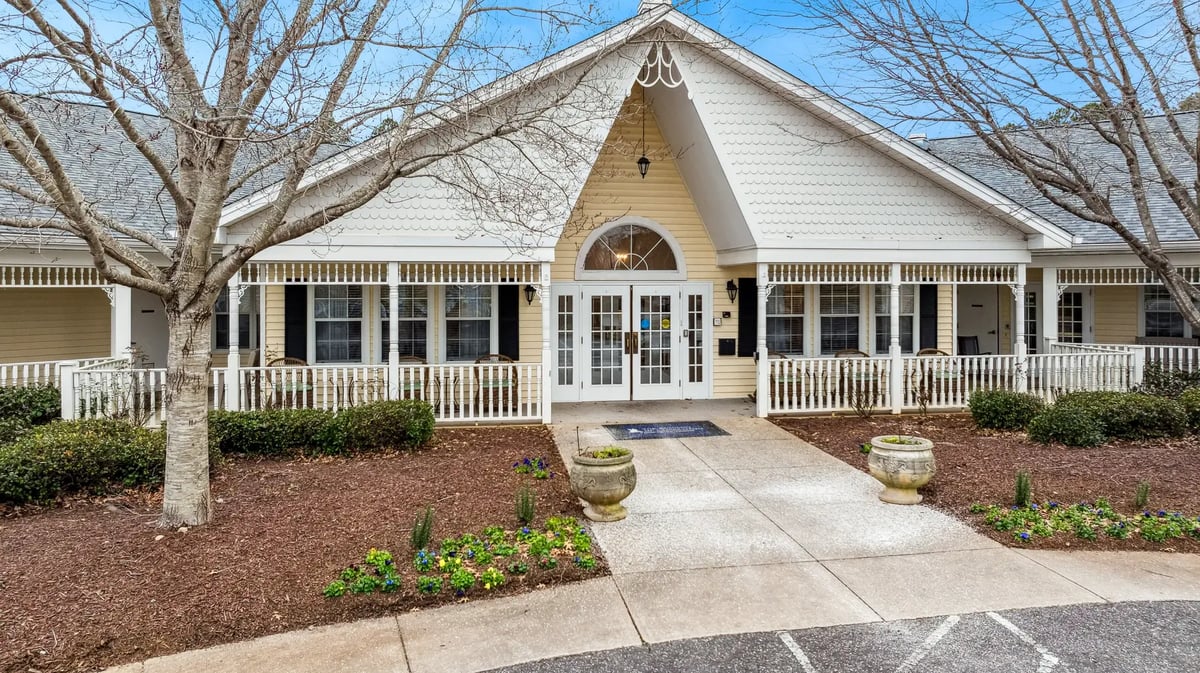
For families in Monroe, NC, communities like TerraBella Indian Trail offer personalized support through GLOW℠ Memory Care. This holistic approach focuses on preserving each resident's legacy, honoring personal preferences, and creating daily experiences rooted in dignity and choice.
Understanding Long-Term Care Insurance Benefits
Long-term care insurance can significantly reduce out-of-pocket expenses for memory care services. If your loved one purchased a policy years ago, now is the time to review the details. Many policies help cover a portion of daily care expenses, including specialized dementia support.
Before relying on a policy, review:
- Daily or monthly benefit amounts
- Elimination periods before benefits begin
- Inflation protection provisions
- Requirements for qualifying care services
Many policies have waiting periods of 30 to 90 days before benefits start. During that time, families cover expenses privately. Working with a financial advisor who understands senior living planning can help maximize benefits while preserving other assets, including the family home.
Exploring Reverse Mortgage Options
A reverse mortgage for senior care allows homeowners age 62 or older to convert home equity into cash without selling the property. This option can provide funds to cover memory care expenses while allowing the homeowner to retain ownership.
Unlike traditional loans, monthly mortgage payments are not necessary. Repayment typically occurs when the home is sold or after the homeowner passes away.
Before choosing a reverse mortgage, consider:
- Reduced home equity over time
- Loan origination and closing costs
- Ongoing responsibility for taxes, insurance, and maintenance
- Long-term family financial goals
A HUD-approved counselor can help determine whether this option is a good fit for your family's situation.
Using Bridge Loans for Memory Care
Bridge loans for memory care can provide short-term financing when immediate funds are needed. This option is often helpful when families plan to sell the home eventually but need access to money before the sale is completed.
Bridge loans allow families to move forward with care decisions quickly rather than rushing through a home sale. Although interest rates are generally higher than traditional mortgages, many families appreciate the flexibility and breathing room these loans provide.
By avoiding a rushed sale, families may have more time to prepare the property, wait for favorable market conditions, and potentially achieve a stronger selling price.
Leveraging a Home Equity Line of Credit
A home equity line of credit (HELOC) offers another practical way to access funds while keeping the family home. Unlike a reverse mortgage, a HELOC requires monthly payments, but it often comes with lower interest rates and flexible borrowing terms.
Families can draw funds as needed and pay interest only on the amount used. This makes a HELOC one of several useful senior living payment alternatives for families with stable income sources and manageable monthly expenses.
Because funds remain available throughout the draw period, a HELOC can also provide flexibility if care needs evolve over time.
Combining Veterans Benefits With Other Resources
Veterans and surviving spouses may qualify for Aid and Attendance benefits, which can provide monthly financial assistance for memory care costs. These benefits can often be combined with Social Security income, pensions, insurance benefits, and other memory care financing options.
The family home is often excluded from eligibility calculations, making this program especially valuable for those interested in affording memory care while keeping their home.
Applications can take several months to process, so families should begin the process as early as possible. Many senior living communities can also help connect families with local resources that assist with applications and planning.
Creating a Rental Income Strategy
Renting the family home can generate steady monthly income to help cover memory care expenses. This strategy is especially effective when the property is owned outright or carries a relatively low mortgage balance.
Professional property management companies can handle tenant screening, rent collection, and maintenance coordination, reducing stress for family members. Rental income can become a reliable funding source while preserving ownership of the property.
Before moving forward, families should review landlord insurance requirements, tax implications, and potential maintenance expenses. Speaking with a tax professional can help clarify how rental income fits into a broader financial plan.
For families considering GLOW℠ Memory Care at TerraBella Indian Trail, maintaining ownership of a family home may be possible while still securing personalized support. Residents benefit from individualized routines, flexible dining choices, technology-informed personalization, and opportunities for engagement that evolve alongside changing needs.
FAQ
Can I pay for memory care without selling my house?
Yes. Many families use long-term care insurance, home equity products, veterans benefits, rental income, or bridge loans to cover expenses without immediately selling a home.
What are the best memory care financing options?
The best option depends on your family's financial situation. Common choices include long-term care insurance, reverse mortgages, HELOCs, veterans benefits, bridge loans, and rental income strategies.
Are bridge loans a good solution for memory care expenses?
Bridge loans can be useful when care is needed immediately but funds from a future home sale are not yet available. They provide short-term access to capital while giving families more flexibility.
Does a reverse mortgage help pay for memory care?
A reverse mortgage can provide cash from home equity without requiring monthly mortgage payments. However, families should carefully review costs, eligibility requirements, and long-term implications before proceeding.
Early planning can make memory care costs more manageable while preserving important family assets. By exploring these financial tools early, families can create a strategy that provides both quality care and financial flexibility.
A secure community that adapts to your loved one's needs at TerraBella Indian Trail. Schedule a personalized tour to learn how we can support your family.