
Summary
Paying for assisted living with Social Security usually requires combining benefits with other income sources like savings, pensions, or government assistance programs. This guide helps you understand costs, explore financial resources, and build a realistic budget for senior living.
- Social Security alone rarely covers full assisted living costs; location, apartment size, and personal assistance needs all affect monthly fees
- Supplemental income sources include pensions, retirement savings, home sales proceeds, and veterans benefits like Aid and Attendance
- Medicaid and SSI may help eligible individuals, though coverage varies by state and not all communities accept government programs
- Reviewing what's included in monthly fees—dining, housekeeping, transportation—can reveal meaningful savings compared to independent living expenses
- Comparing floor plans and asking about additional charges helps identify communities that fit your fixed-income budget
Can Social Security pay for assisted living? It's a common question for older adults and families considering additional daily support. While monthly benefits can contribute toward expenses, they often aren't enough to cover the full cost of a senior living community.
Paying for assisted living with Social Security usually means combining benefits with savings, pensions, or other financial resources. Understanding what's included in monthly fees and which assistance programs may be available can help you build a realistic budget before making a decision.
Understanding the Gap Between Social Security and Assisted Living Costs
Social Security retirement benefits provide regular income, but the amount each person receives depends on their earnings history and when they began collecting benefits.
Monthly community fees also vary. Location, apartment size, personal support requirements, and included amenities all influence the total cost.
What Affects Your Monthly Expenses?
When comparing communities, consider:
- Location: Costs may differ between larger cities, suburban neighborhoods, and smaller towns.
- Personal assistance: Additional help with bathing, dressing, or mobility may affect monthly charges.
- Apartment selection: Floor plans and accommodation types can influence pricing.
- Included services: Dining, housekeeping, transportation, and wellness programs may be included or charged separately.
For families exploring communities around Monroe, NC, requesting a detailed pricing breakdown is more useful than relying on regional averages alone.
Supplementing Social Security for Assisted Living
If retirement benefits don't cover the full monthly amount, other financial resources may help close the gap.
Common options include pension payments, retirement savings, investment income, or proceeds from selling a home. Some families also explore whether an existing long-term care insurance policy covers eligible personal assistance expenses.
Veterans and surviving spouses may qualify for VA pension benefits, including Aid and Attendance, depending on their circumstances. Eligibility and payment amounts vary, so it's important to review current requirements.
Affording senior living on a fixed income often requires looking at several resources together rather than relying on one payment source. Before using savings or home equity, consider how much money should remain available for unexpected expenses and future changes in support needs.
Exploring Low Income Assisted Living Options
Older adults with limited financial resources may qualify for assistance through government programs or nonprofit organizations. However, eligibility requirements and available benefits differ by state.
Financial Assistance Worth Investigating
Potential resources include:
- Medicaid-related programs: North Carolina offers certain long-term services and supports for eligible individuals, although coverage depends on the program and setting.
- Supplemental Security Income (SSI): This federal program provides financial assistance to qualifying individuals with limited income and resources.
- Veterans benefits: Eligible applicants may receive additional pension payments that can contribute toward qualifying expenses.
- Nonprofit and community resources: Some organizations offer financial guidance or assistance with specific needs.
North Carolina's Department of Health and Human Services and local aging services can help families identify programs worth exploring.
Keep in mind that Medicaid generally doesn't pay for room and board in assisted living. Not every community participates in government-funded programs, so confirm payment policies directly before making plans.
Making Assisted Living Affordable Through Careful Planning
Understanding your monthly budget is an important part of making assisted living affordable. Start by calculating reliable income, available savings, and anticipated expenses.
If you're still working and haven't started collecting retirement benefits, delaying Social Security may increase future monthly payments. However, this decision depends on your age, financial circumstances, and personal needs.
For someone already receiving benefits, reviewing other income sources and comparing community pricing may be more practical.
Ways to Manage Monthly Costs
Consider these approaches:
- Compare floor plans: Ask whether smaller apartments offer a more manageable monthly rate.
- Review included services: A community that includes meals, housekeeping, and transportation may reduce separate household expenses.
- Ask about additional charges: Understand how fees change when personal assistance requirements increase.
- Plan for future needs: Leave room in your budget for healthcare expenses and unexpected costs.
A written comparison of several communities can help you identify meaningful differences without focusing solely on the advertised starting price.
What Assisted Living Costs Typically Include
Monthly fees commonly cover accommodation, dining, housekeeping, and access to shared community spaces. Personal assistance may be included in a base rate or priced according to individual needs.
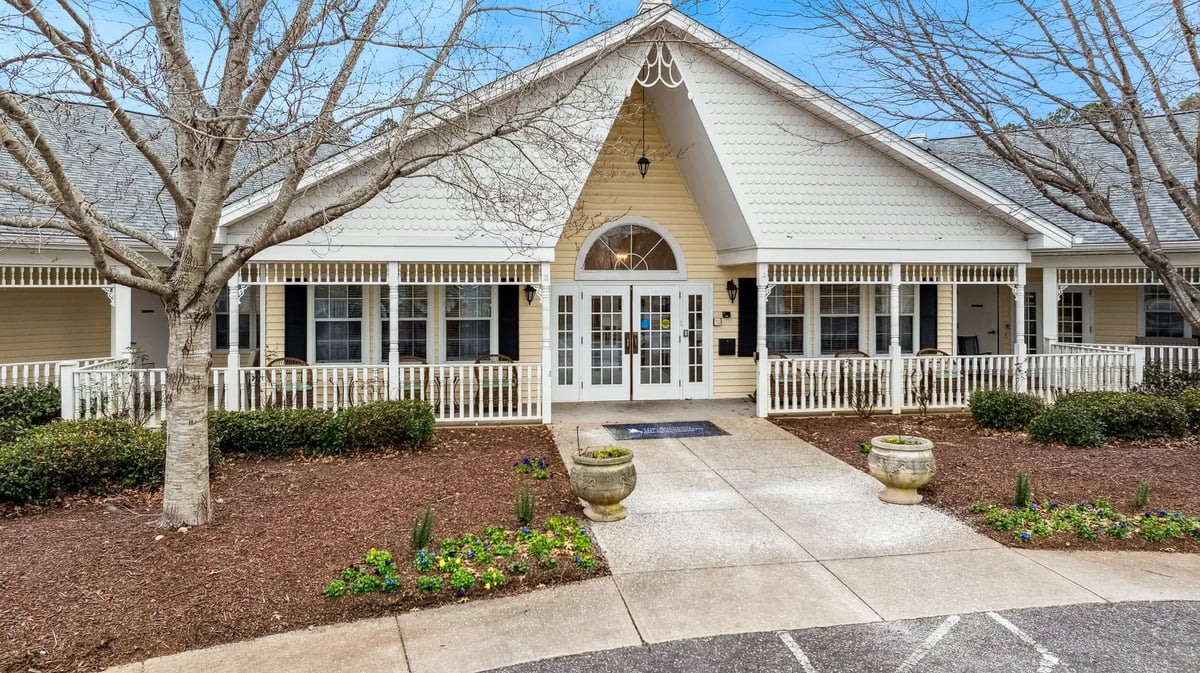
At TerraBella Indian Trail in Monroe, Assisted Living combines personalized daily support with amenities such as chef-prepared dining and opportunities for social engagement.
These conveniences are worth considering when comparing community expenses with the costs of maintaining a home, arranging transportation, and paying for separate assistance.
The community also offers GLOW® Memory Care for residents who need specialized dementia support. Families considering future changes in care requirements should ask how pricing and services differ between living options.
Request a complete explanation of what the quoted monthly fee includes before making financial commitments.
Taking the Next Step Toward Affordable Senior Living
Social Security can provide a starting point for funding senior living, but most families benefit from reviewing additional income, available assistance programs, and the full cost of community services.
TerraBella Indian Trail offers personalized support, chef-prepared dining, and opportunities for residents to connect with others. Understanding how these services fit into your budget can help you make a more informed choice.
Schedule a tour of TerraBella Indian Trail to explore our Assisted Living options, review available floor plans, and discuss monthly pricing with our team.